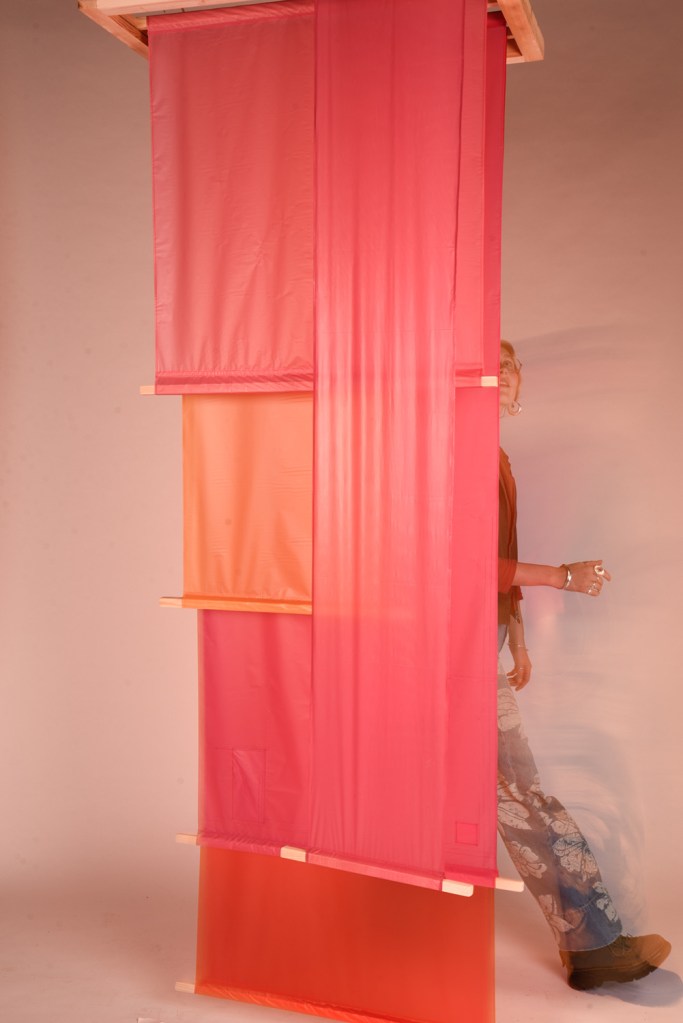
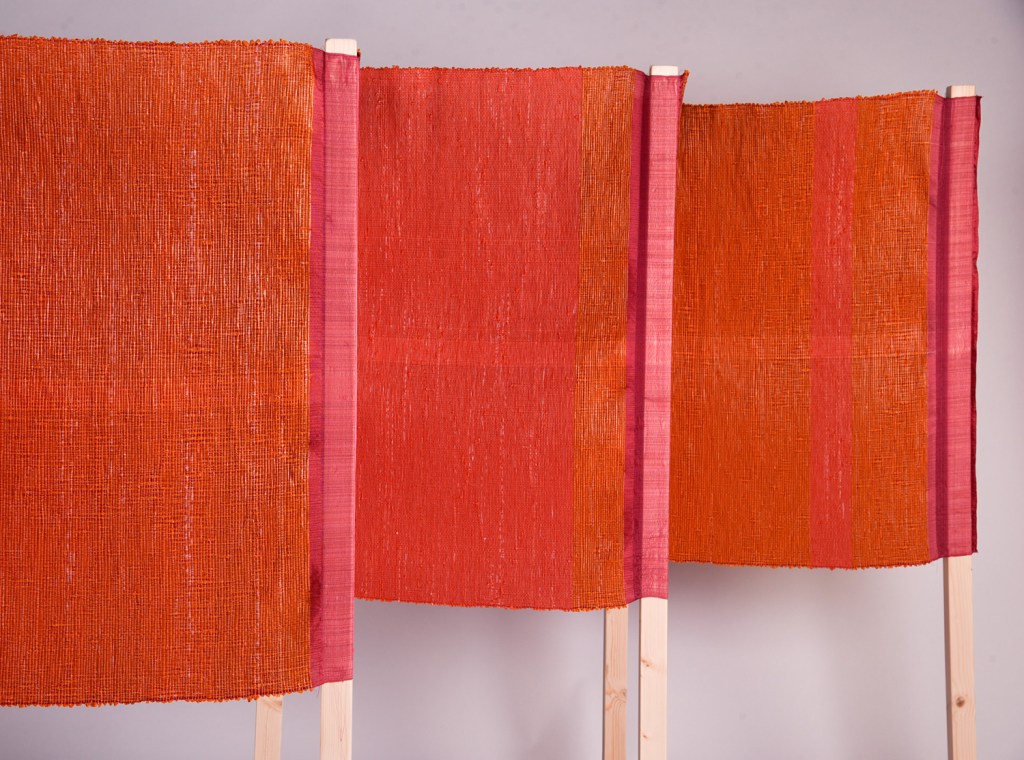
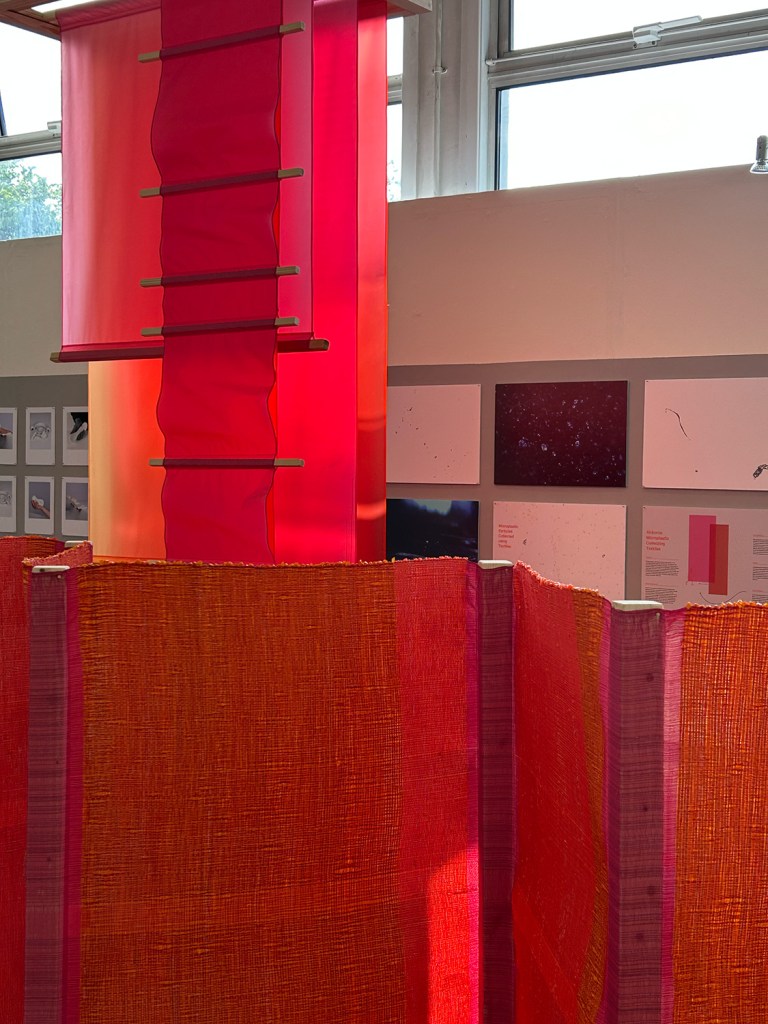
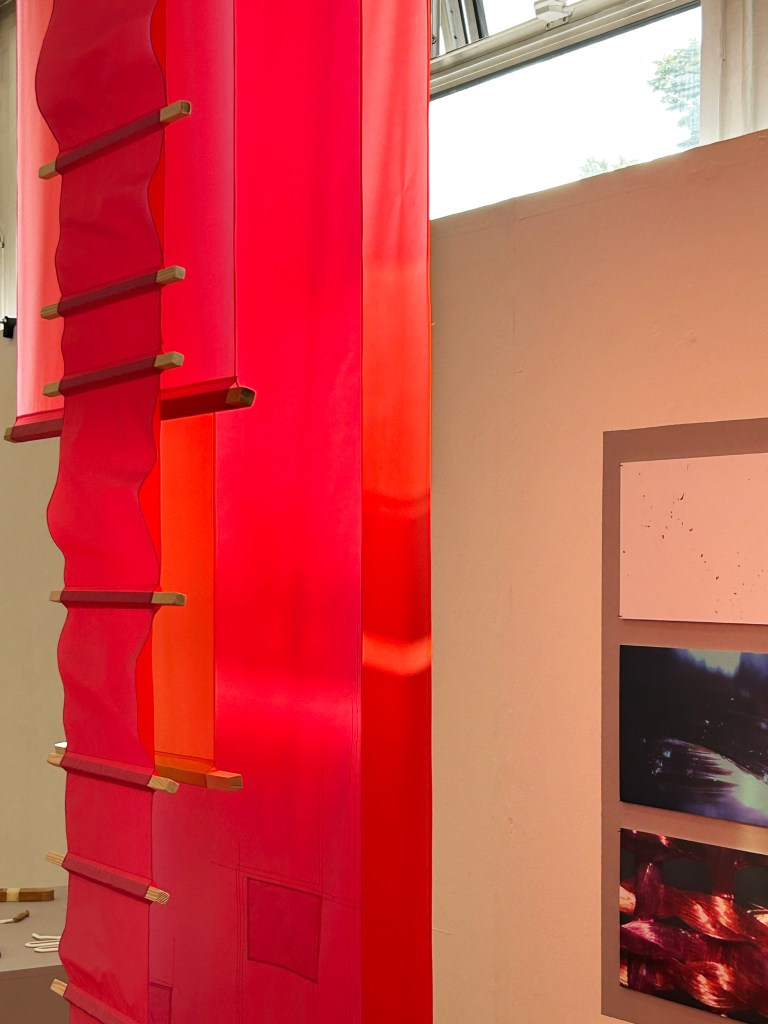
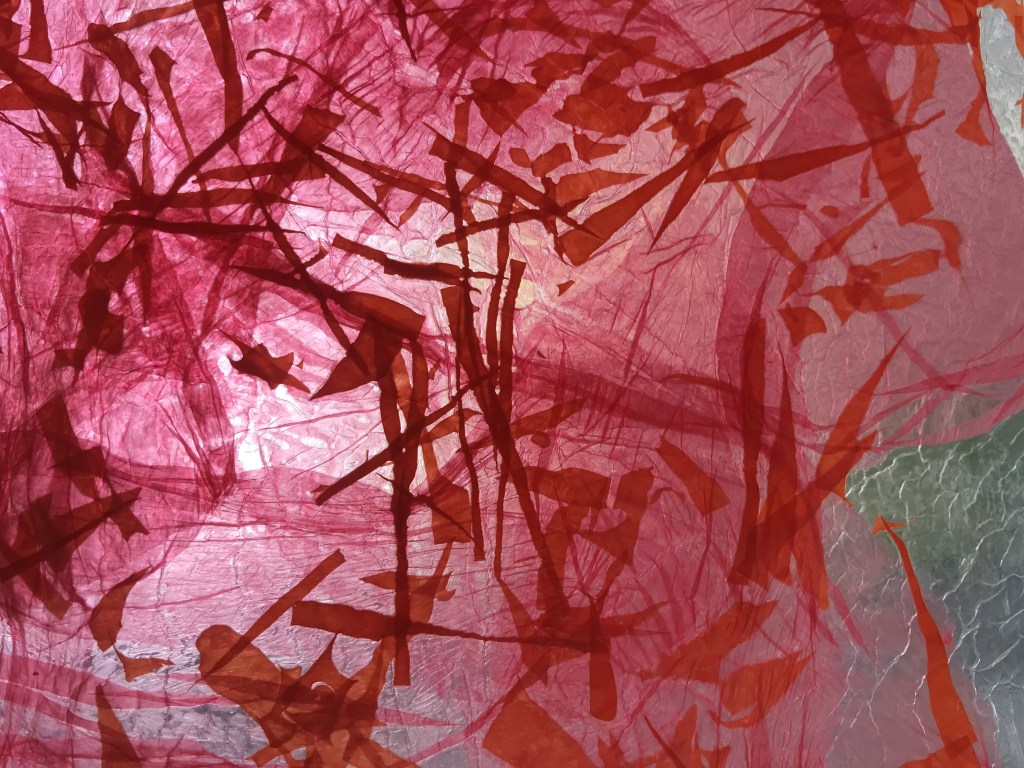
It is often the tiniest particles that have the power to create problematic issues of an overwhelming scale. Their ability to permeate into all environments, even those thought to be untouchable, is what makes them so dangerous. Microplastics have been found in the food we consume, the water we drink and the air we breathe. The spaces we inhabit and cherish are the very same as those that micro-plastics manoeuvre through. With the increasing presence of plastic-based materials and plastic waste in our homes, the number of micro-plastic particles ingested daily is constantly rising. Through combining design, textiles, science, and architecture these exhibition pieces have been created to collect micro-plastics with the potential to play a part in addressing the issue of micro-plastics in our internal environments.
Statement of Intent
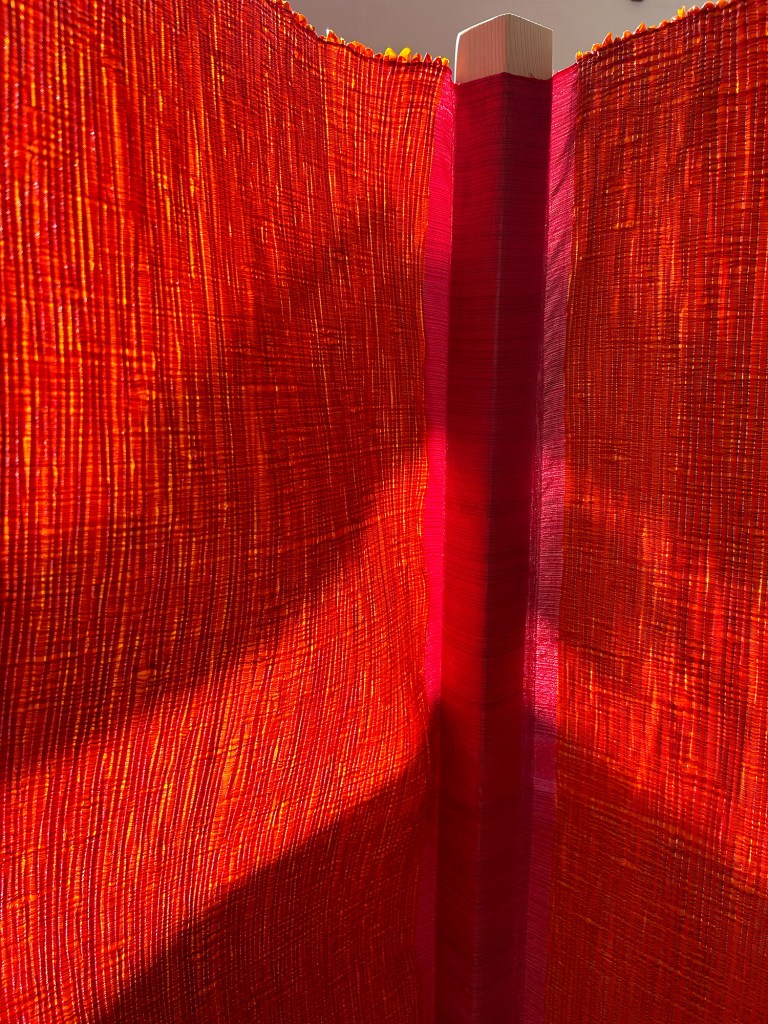
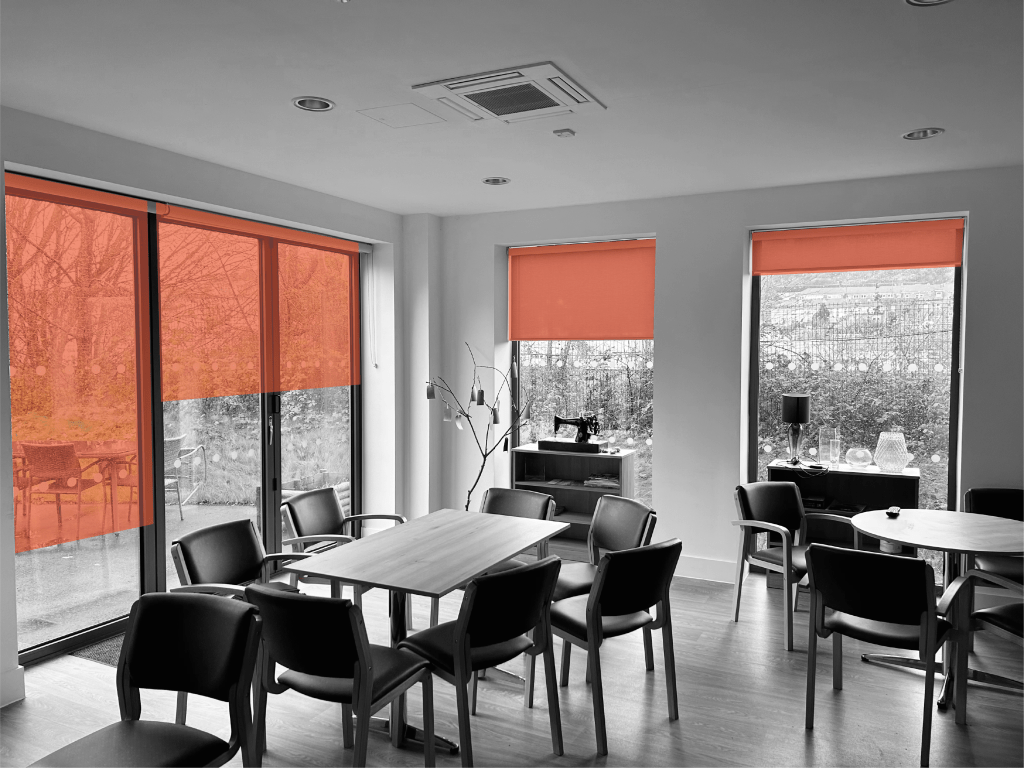
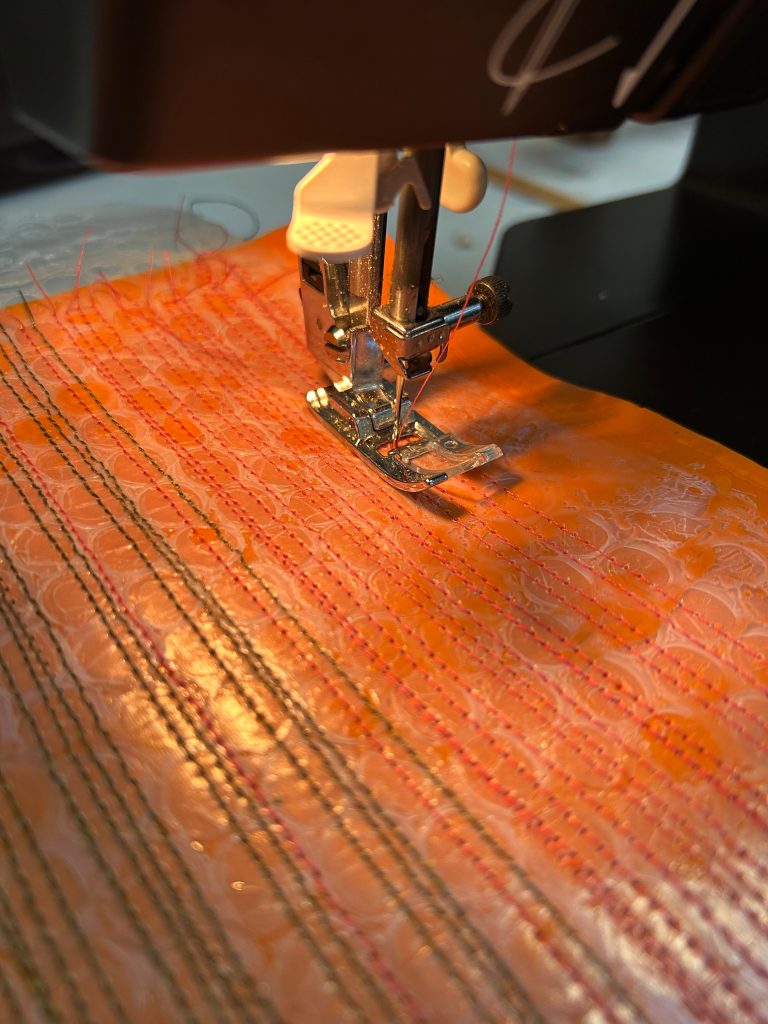
“During this project I identify that micro-plastics inhabit the spaces we use. I shall investigate existing blinds and room dividers currently available on the market. I shall create textiles made from waste plastics that hold static charge and attract micro-plastics. I will design these textiles to filter the air and alter and enhance internal environments by working with the architecture they inhabit. I will bring graphics, science and architecture into my research and will use all I discover to inform my outcomes, both visually and practically. I aim to create large scale installation art pieces that play with light, colour and illusion. They can be easily adapted to create products such as blinds and room dividers to design spaces that are unique and flexible. I will propose how these materials are best used in order to effectively filter and reduce micro-plastics in interiors and bring light and colour into environments. I aim to change our perceptions of waste plastic and show how they can be greatly transformed in both their appearance and the benefits they can bring for our environments when used correctly.”
Micro-plastics
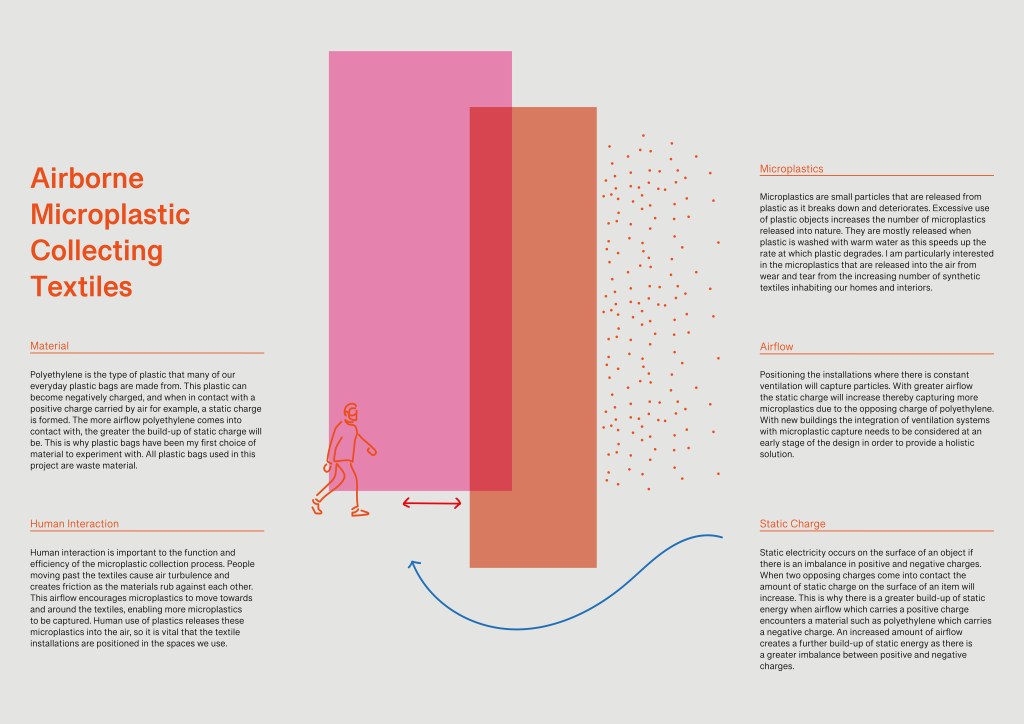
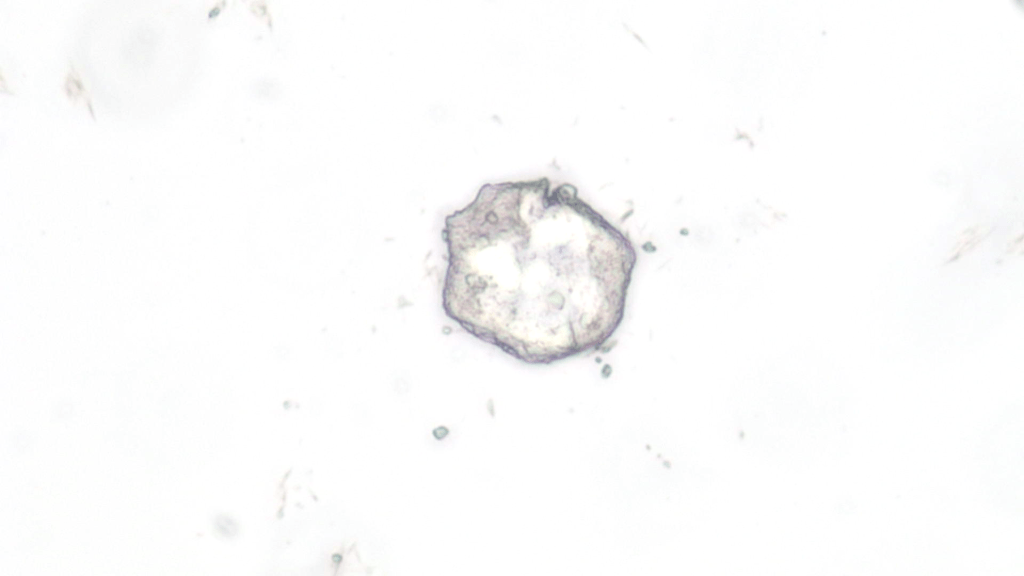
Microplastics are small particles that are released from plastic as it breaks down and deteriorates. Excessive use of plastic objects increases the number of micro-plastics released into nature. They are mostly released when plastic is washed with warm water as this speeds up the rate at which plastic degrades. I am particularly interested in the micro-plastics that are released into the air from wear and tear from the increasing number of synthetic textiles inhabiting our homes and interiors.

Materials
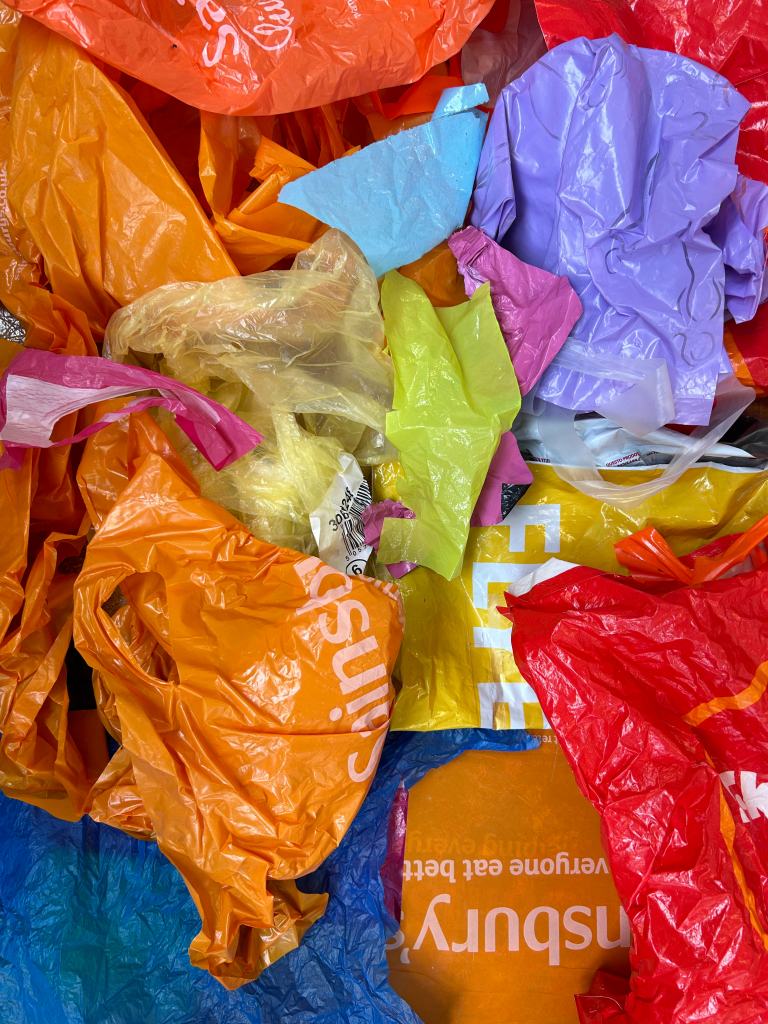
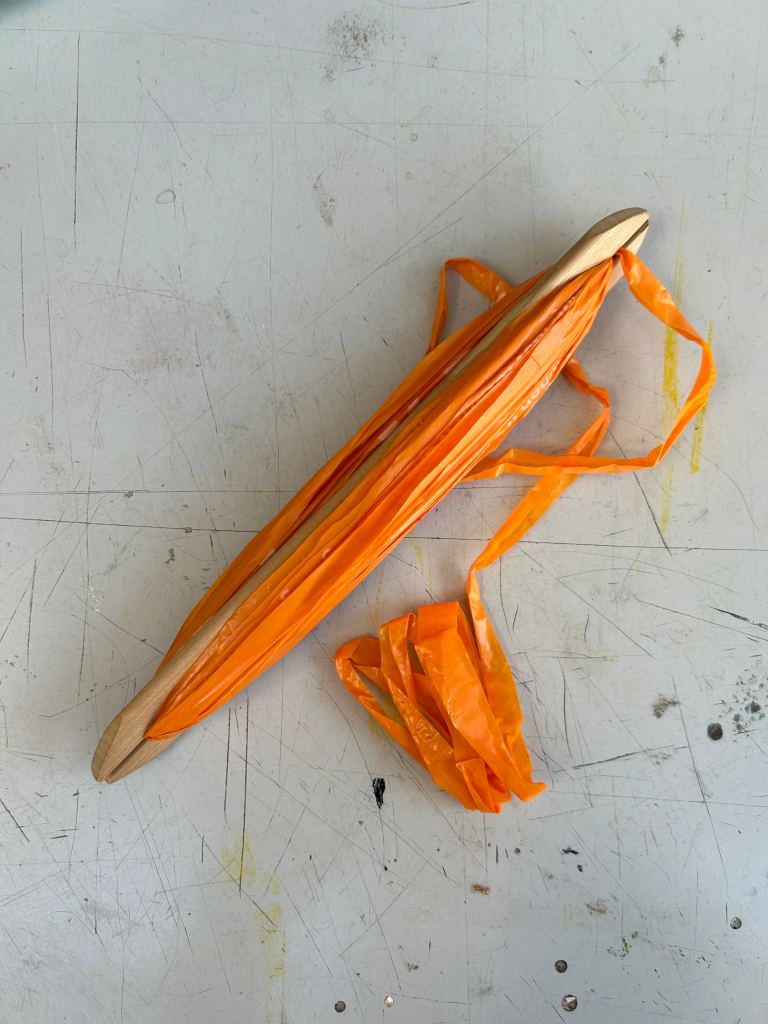
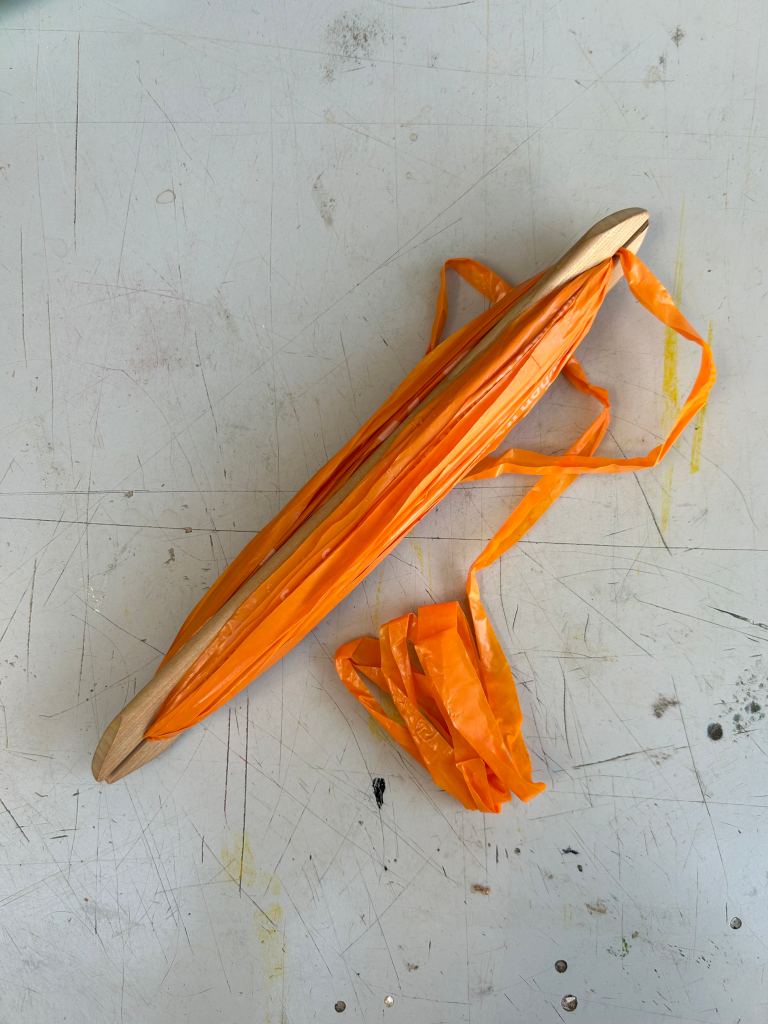
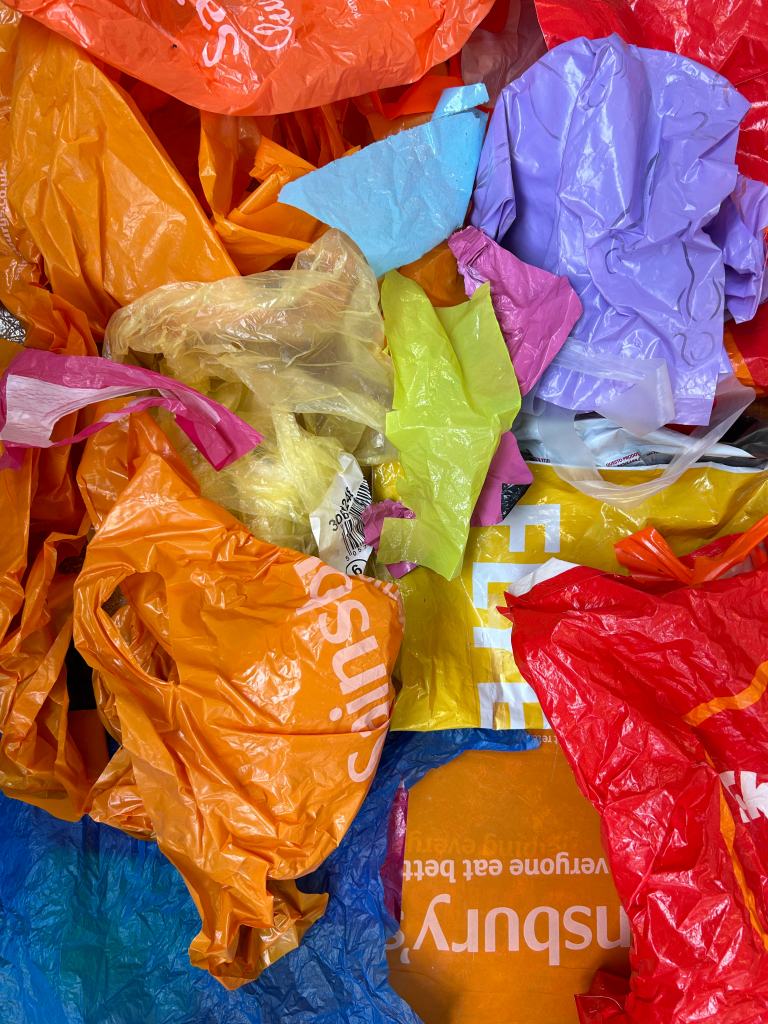
Polyethylene is the type of plastic that many of our everyday plastic bags are made from. This plastic can become negatively charged, and when in contact with a positive charge carried by air for example, a static charge is formed. The more airflow polyethylene comes into contact with, the greater the build-up of static charge will be. This is why plastic bags have been my first choice of material to experiment with. All plastic bags used in this project are waste material.
Natural Ventilation Systems
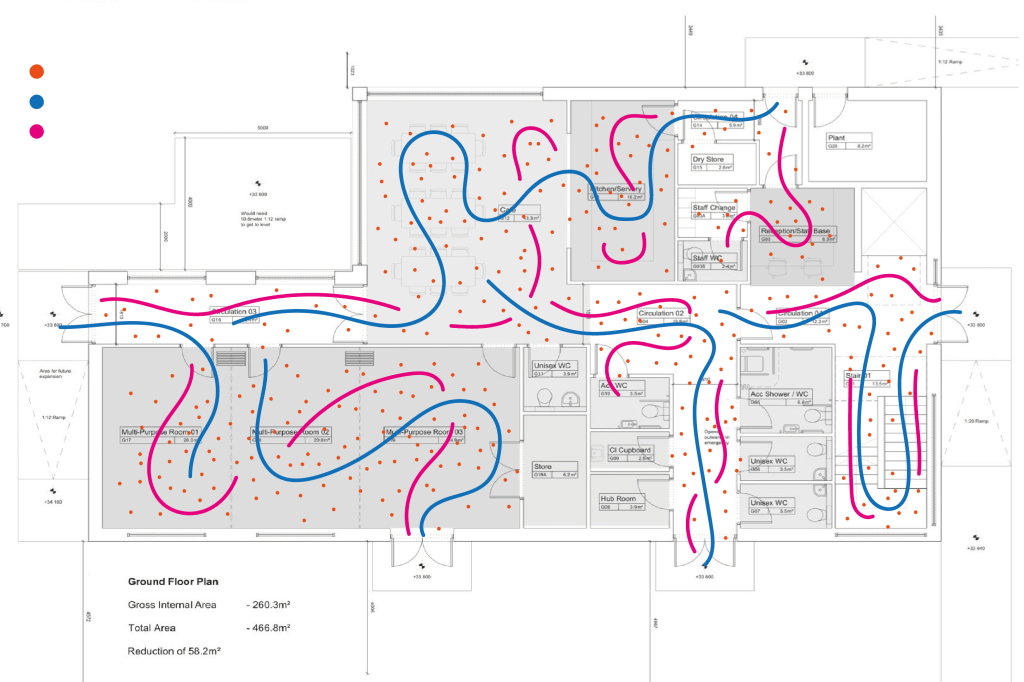
Analysing natural ventilation systems within buildings determines the optimum positions of the textiles to capture micro-plastic particles. Positioning the installations where there is constant ventilation will capture particles. With greater airflow the static charge will increase thereby capturing more micro-plastics due to the opposing charge of polyethylene. With new buildings the integration of ventilation systems with micro-plastic capture needs to be considered at an early stage of the design in order to provide a holistic solution.

Testing the Textiles for Micro-plastics
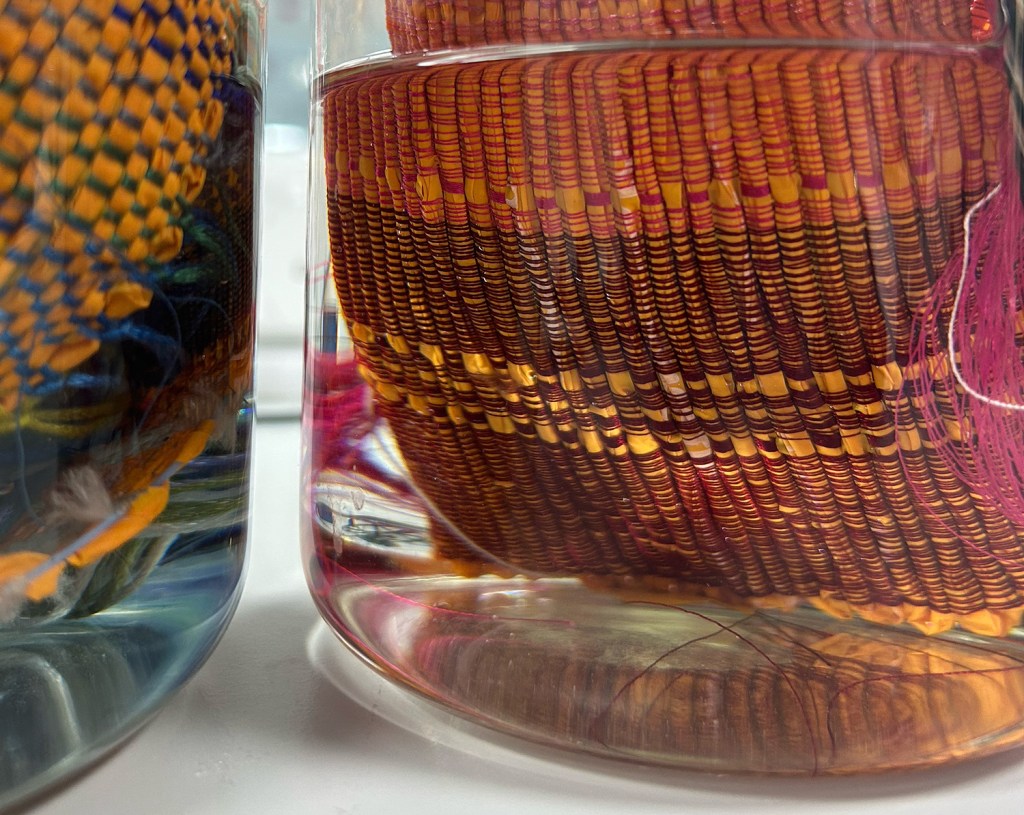
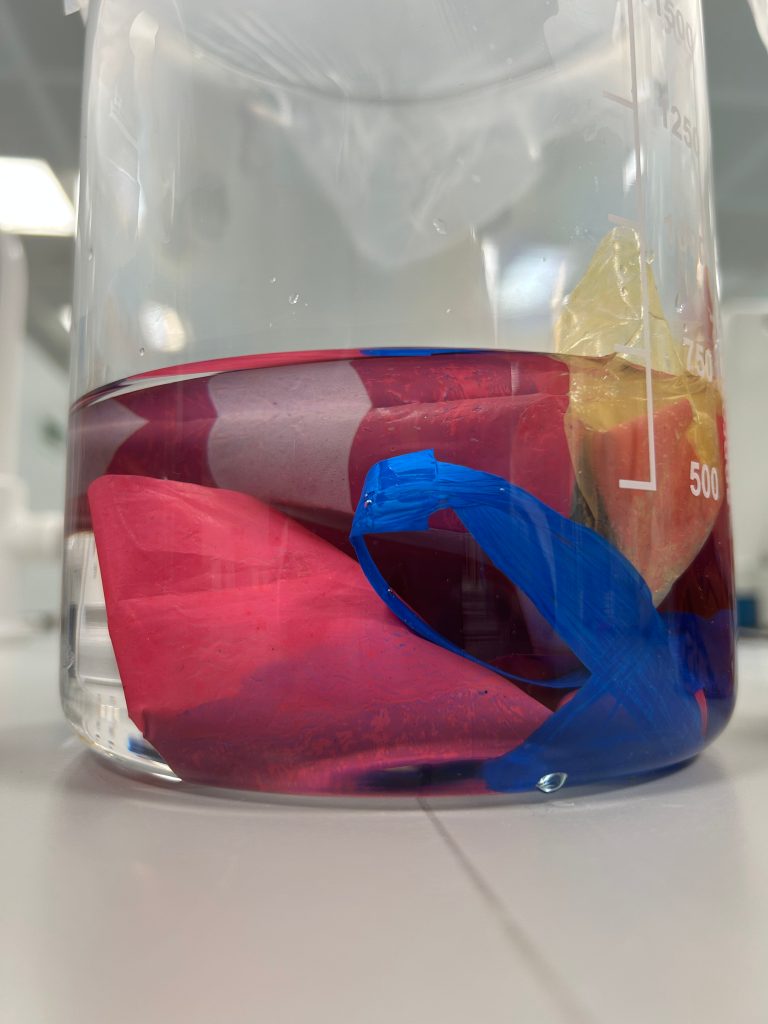
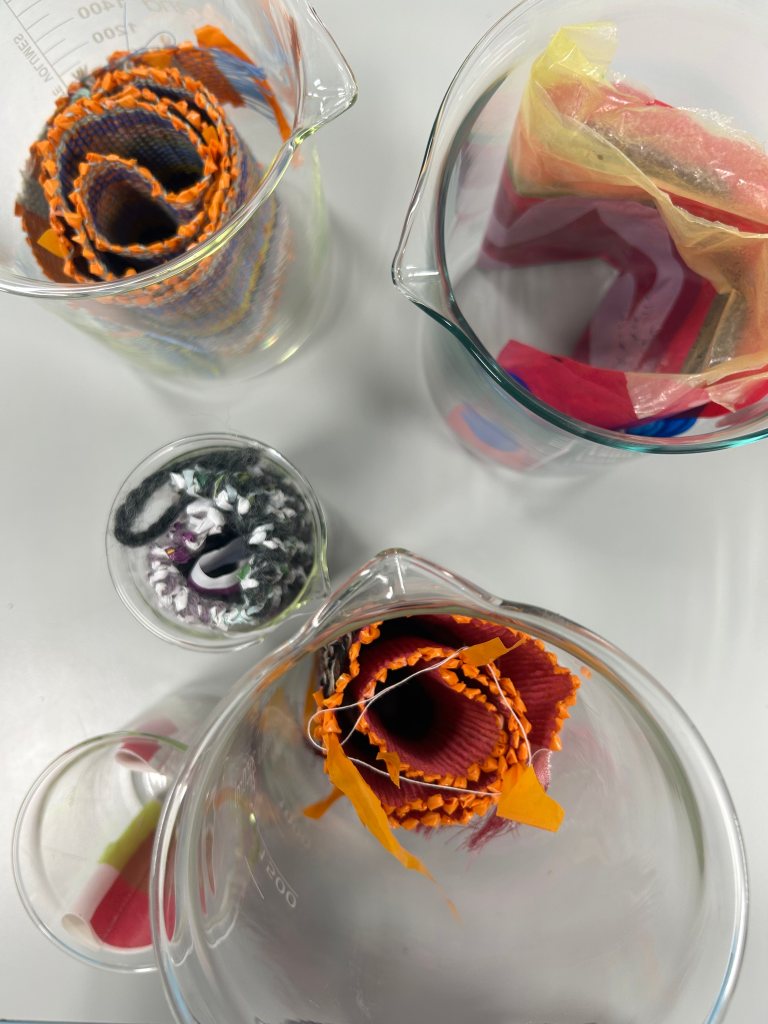
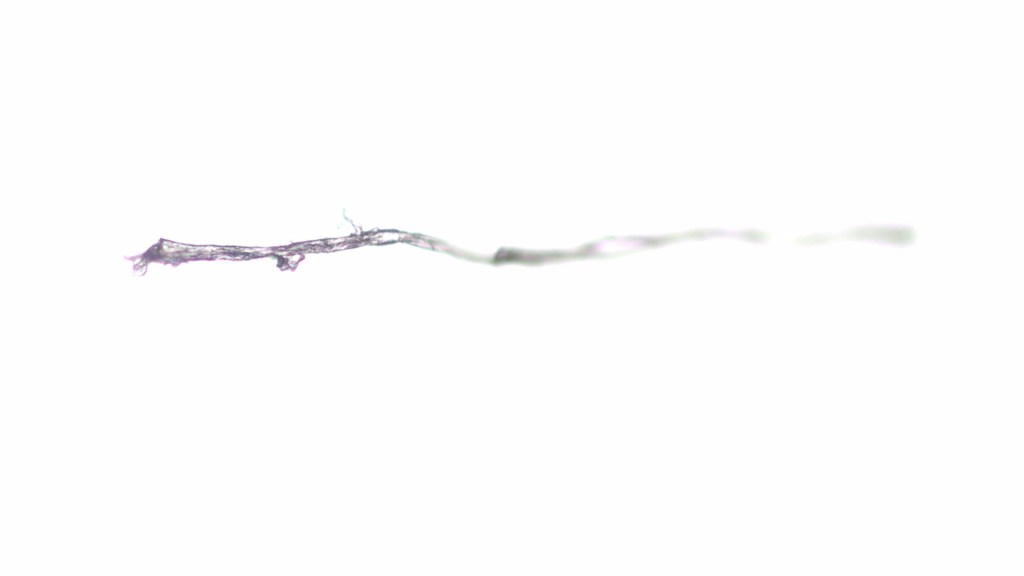
With several textile variations having been developed it was time to test them to see if they were collecting micro-plastics. Before testing, the samples were stored in a polymers workshop where there is constant airflow and high number of micro-plastics due to the materials and processes used in the space. In the laboratory the textiles were soaked in cold filtered water then placed in a sonicator to gently vibrate the particles off the surface. Samples of this water were tested for micro-plastic particles using FTIR techniques. After 5 hours of soaking the results showed a high number of particles in the water, demonstrating the materials were effective in capturing micro-plastics.
Next Steps:
The next steps would be to undertake further testing of designs and materials placed within different environments for extended periods and varying airflows. From there, installation sampling would be undertaken to determine the number of particles found in a square meter of material. From the testing and collection of microplastic particles, investigation can be undertaken into how they could be harvested and contained.
There are scientific-grade filters that are designed to extract particles from water that could be used in combination with the textiles. Tests would need to be undertaken with these filters to ensure it is the most effective method of collection. With details like this thoroughly researched the sustainability of the textiles and their efficiency can be further increased to maximise their potential.


 Alice coomber